Co-building the ERP of the future

Bonx and SomethingAdded have been working together since the fall of 2024. The goal of the partnership was to build a manufacturing ERP solution for additive manufacturing, using the latest AI technologies to help automate our factory from end to end.
The initial question was one that comes up often for ambitious manufacturing startups: how do you scale from a few orders to 10 million in turnover?
Since those early days, we have come an incredibly long way, multiplying our turnover significantly and laying down the robust operational foundations required for our next massive phase of growth.
From go-live to full implementation
The implementation moved quickly. It took around six weeks to go live and ten weeks to fully implement the solution.
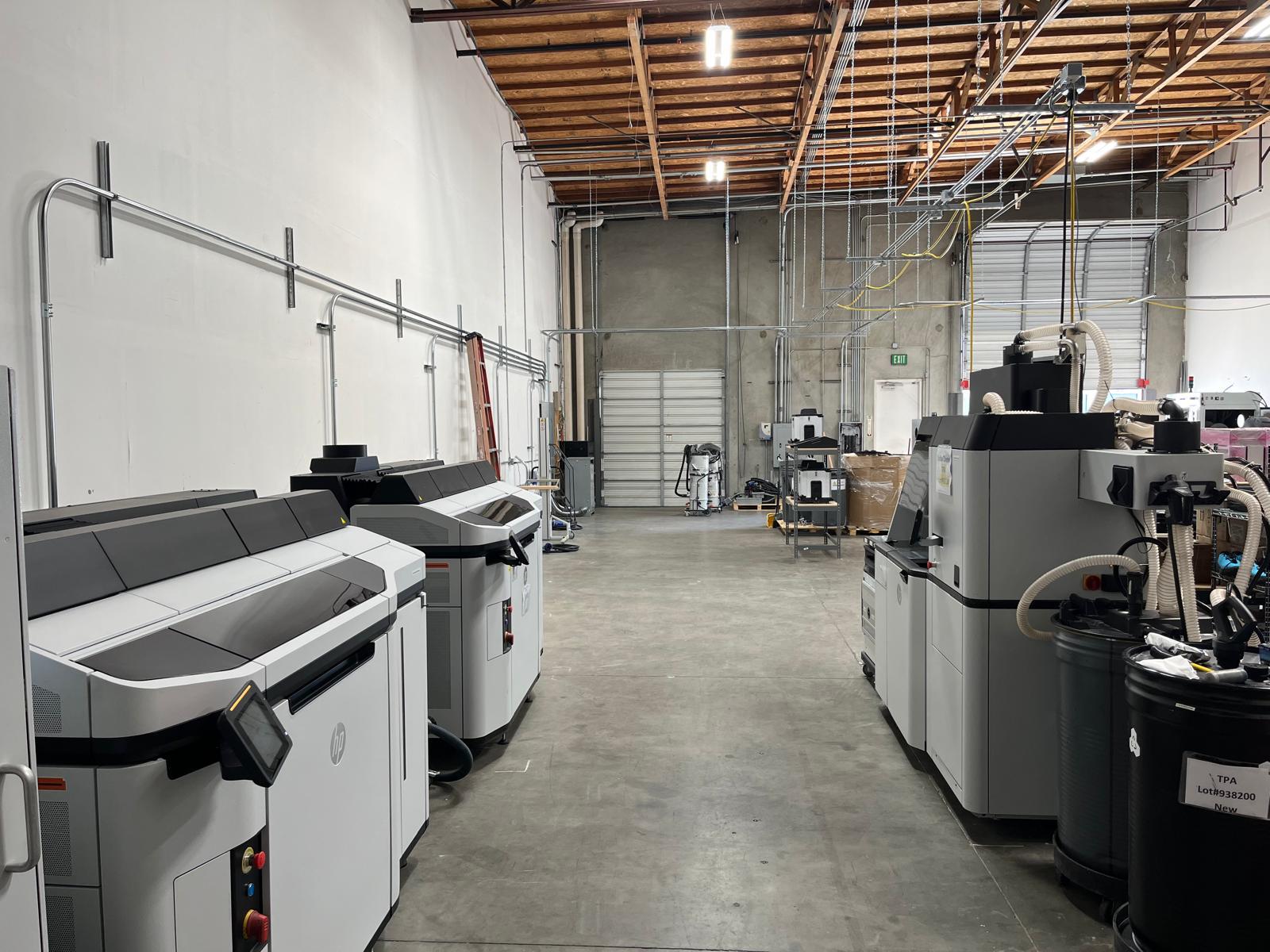
One of the main operational challenges was connecting Bonx to SomethingAdded’s specialized machines for 3D printing shoes. To solve this, the teams worked through the APIs of several machine vendors.
Today, the factory is fully automated: Bonx automatically pushes jobs to the right machine, helping SomethingAdded manage production with more precision and scale.
Why Our Partnership Works
At SomethingAdded, we pride ourselves on staying at the absolute forefront of footwear innovation and additive manufacturing. From day one, we recognized that we couldn't build the "factory of the future" in a vacuum. We actively cultivated strong, open partnerships with both our machine vendors and cutting-edge software partners like Bonx.
That focus is central to what makes the partnership work. SomethingAdded is building toward leadership in additive manufacturing, while Bonx is building the future of ERP technology for manufacturing. The two companies are aligned around creating one of the most advanced operational setups in the sector.
Beyond the technology, the partnership is also strong because of the relationship with the teams at Bonx and SomethingAdded. Together, we can be ambitious, pragmatic, and focused on building the right foundations for scale.
The collaboration works because both teams are moving in the same direction: toward better technology, more automated operations, and a new model for additive manufacturing in footwear.
Pioneering the Future of the Factory Floor
Manufacturing is expected to become much more automated and much more intelligent. A lot of repetitive admin work around order management, purchasing, and day-to-day coordination will be streamlined, giving teams more leverage to take on more orders and make better decisions.
Factories will also become smarter. Many decisions that are currently made on the go, often while teams are putting out fires, will increasingly be handled by ERP and adjacent software. The role of the ERP, therefore, will be to help manufacturers make the next move: better scheduling, better purchasing strategy, and better operational decisions.
This should also make manufacturing work more pleasant. As software becomes easier to use and better adapted to the way factory teams actually work, workers and middle managers will be able to spend less time on repetitive tasks and more time on higher-value decisions.
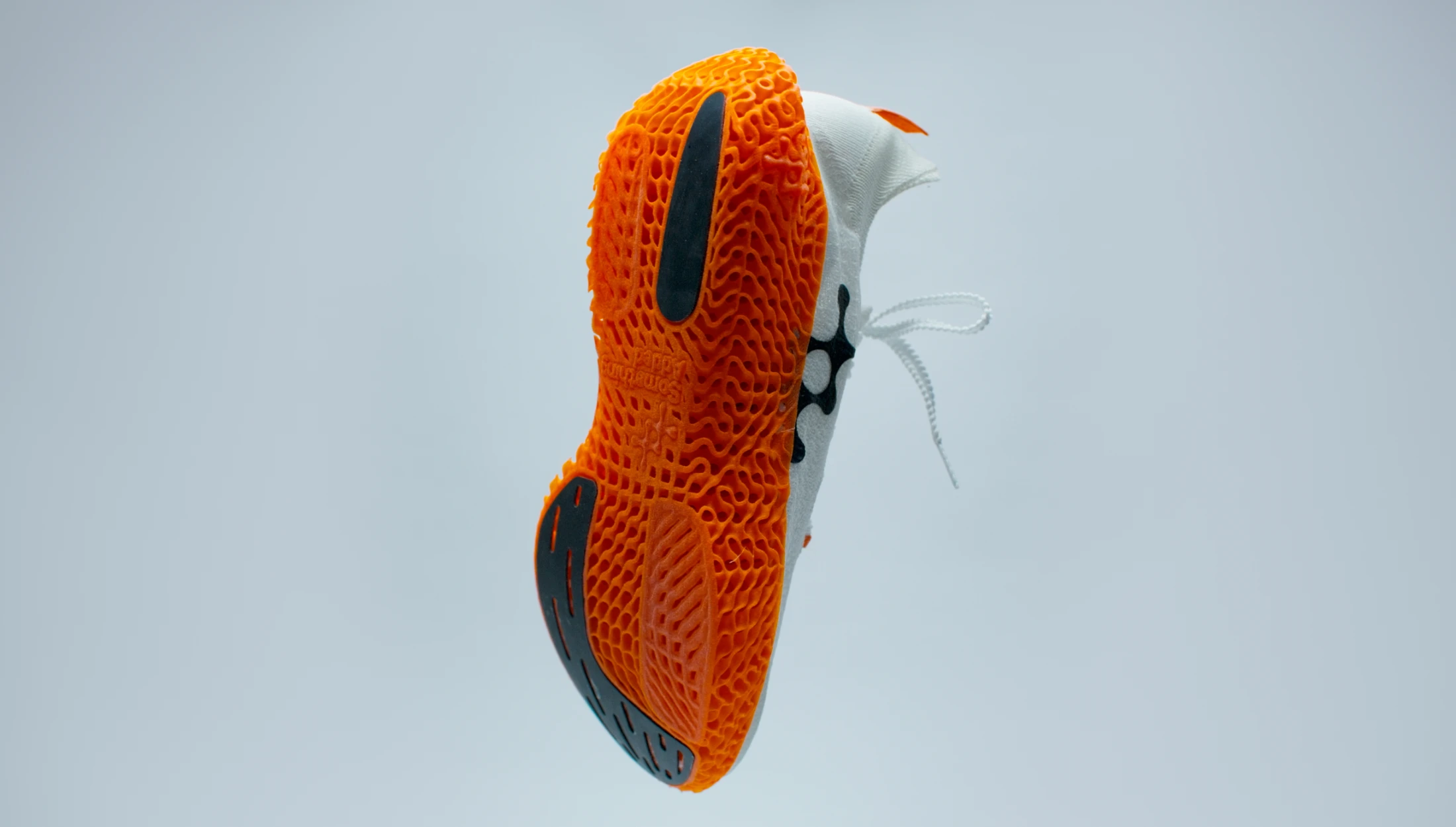
We are already showing what this future can look like in additive manufacturing for footwear: building with the right technology, the right partnerships, and the right operational ambition to shape how footwear is produced in the years ahead.
.webp)
.jpg)